Any teacher who holds a bachelor's degree in education may enroll in special education coursework. Colleges and universities offer bachelor's and master's programs in special education, and organizations provide shorter trainings for teachers who want to specialize. For those planning to work with children who have learning disabilities, programs that run up to a year are often recommended.
Advertisement
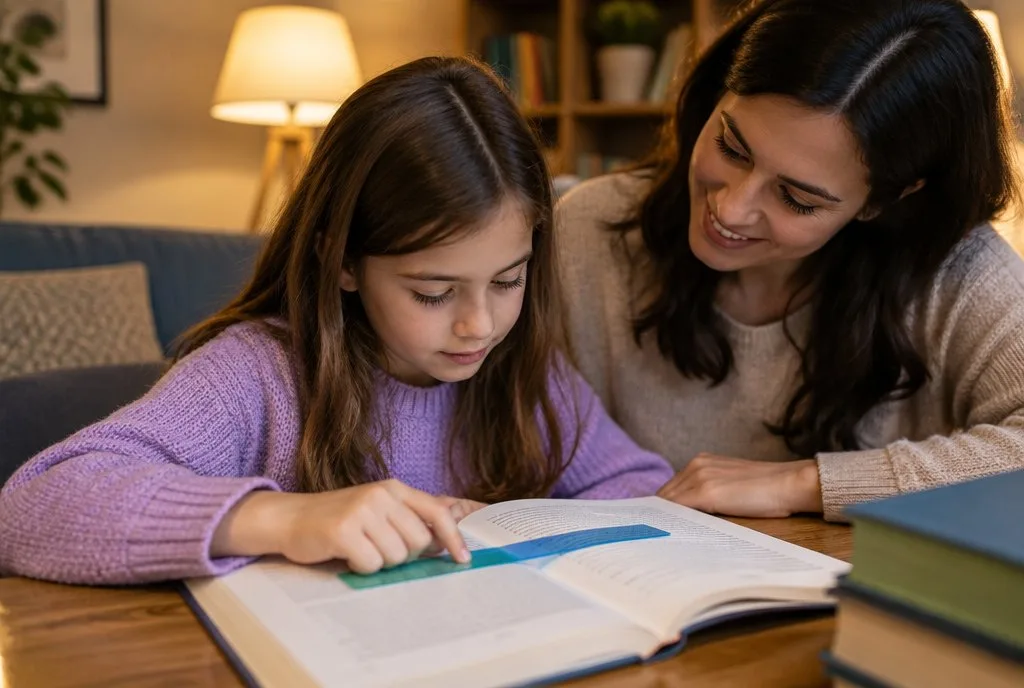
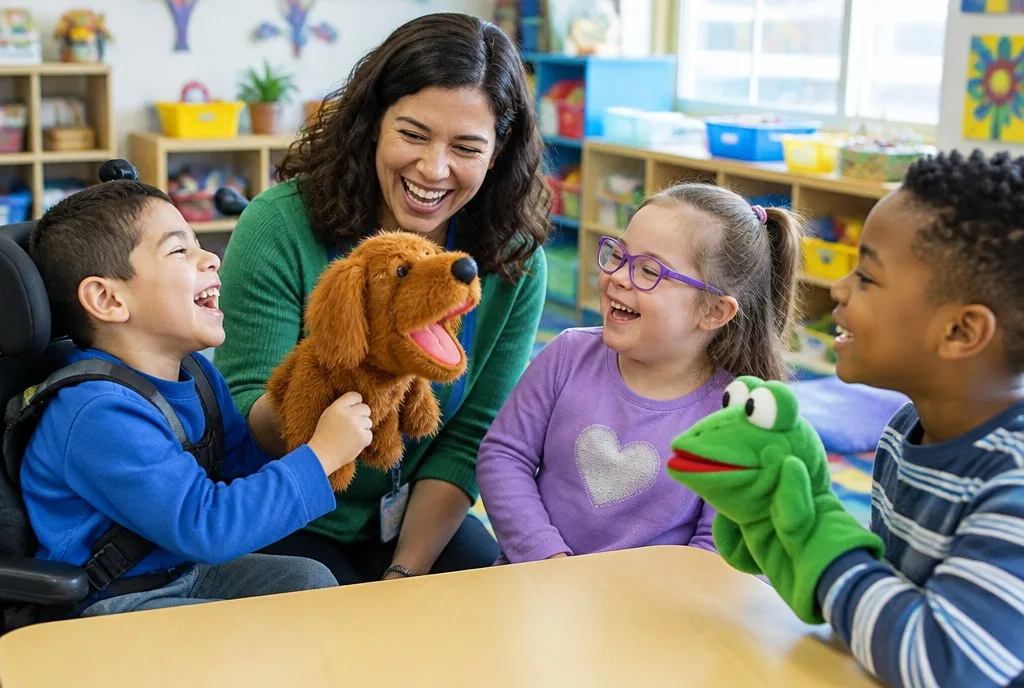
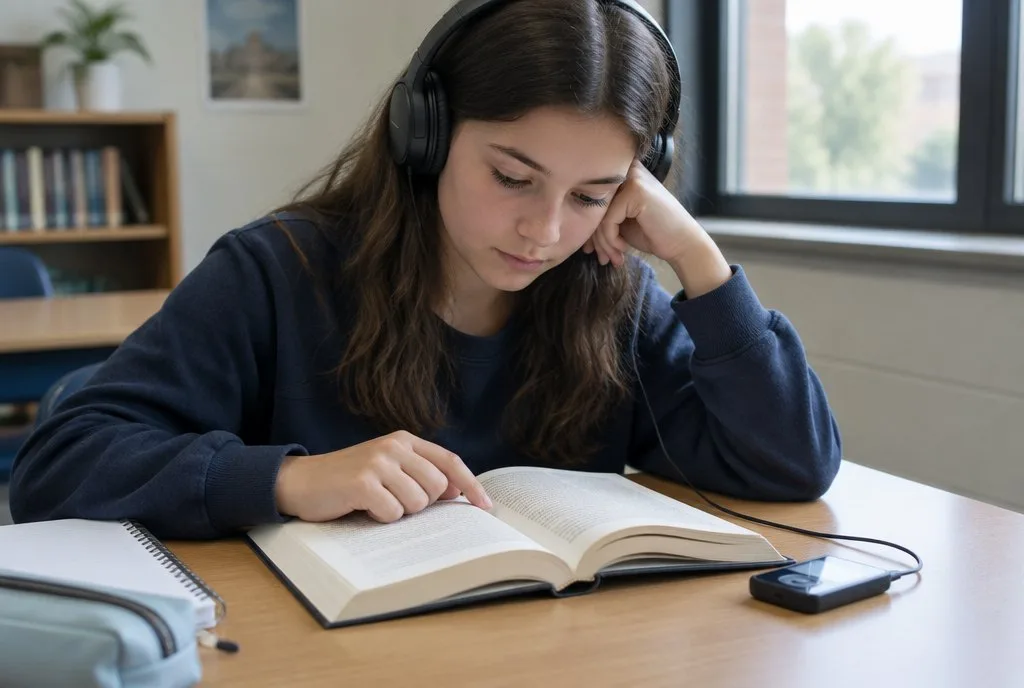
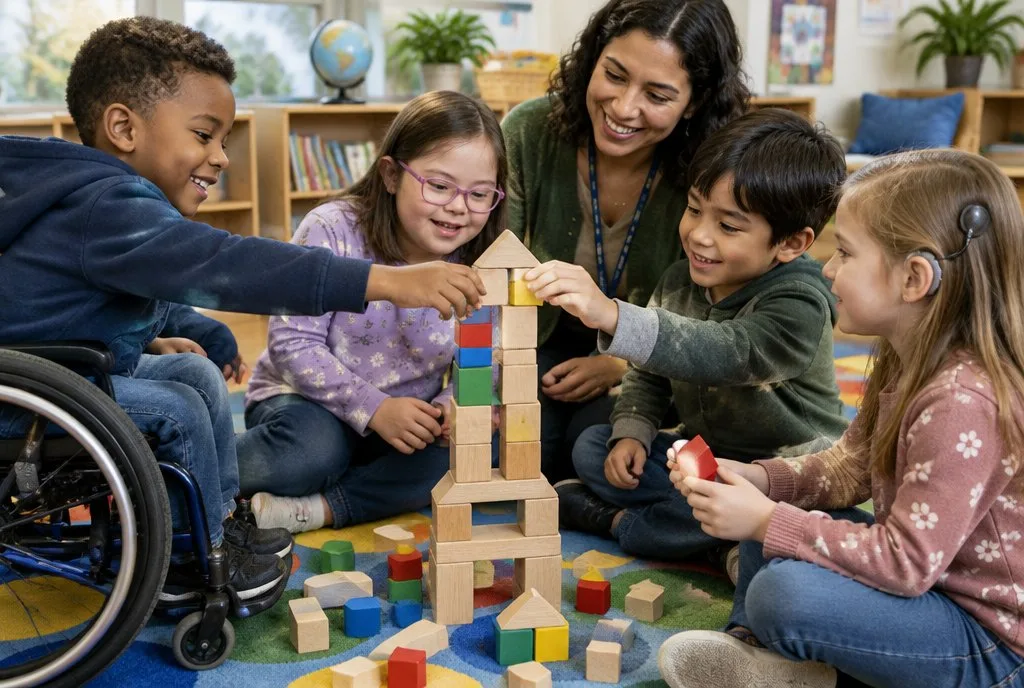
Special education teachers support children and adolescents with many kinds of disabilities. A small portion work primarily with students who have intellectual disabilities or autism, concentrating on life skills and basic independence. Most serve learners with mild to moderate learning challenges, adapting the general education curriculum to fit each student's needs. These teachers commonly instruct at elementary, middle, and high school levels, and some work with infants and toddlers. Special education programs address particular difficulties such as speech and language delays, emotional or behavioral disorders, hearing and vision impairments, autism, and other health-related disabilities. Students are assessed, assigned to a category, and matched with teachers trained for that group. Early identification and intervention are among the most important steps, and special education teachers are trained to help students make progress. Special education teachers apply different strategies to help students learn, choosing methods based on each student's disability. Options include one-on-one instruction, problem-solving tasks, and small-group activities. When a student needs test accommodations, teachers arrange appropriate supports—examples are having questions read aloud or extending the test time allowed. They also help develop an Individualized Education Program (IEP) for each special education student, which sets personalized goals that reflect the student's strengths and needs. Individualized Education Program (IEPThe IEP outlines specific, individualized objectives and is built around what the student can do and needs to improve. Teachers keep parents informed about progress and offer suggestions for supporting learning at home. They play a role in the student's social, emotional, and academic growth, helping students feel comfortable with peers and learn acceptable social behavior. Special education teachers collaborate closely with parents, social workers, school psychologists, speech-language pathologists, occupational and physical therapists, administrators, and classroom teachers.
Special education teachers use a range of approaches to support learning. Because every child and disability is unique, teachers rely on standard strategies that help both learners and staff. Common practices include individualized instruction, problem-solving tasks, and small-group work. When testing accommodations are needed, special education staff arrange appropriate supports — for example, allowing extra time or reading questions aloud. These teachers also develop an Individualized Education Program (IEP) for each pupil, which sets goals tailored to the student’s abilities and needs.