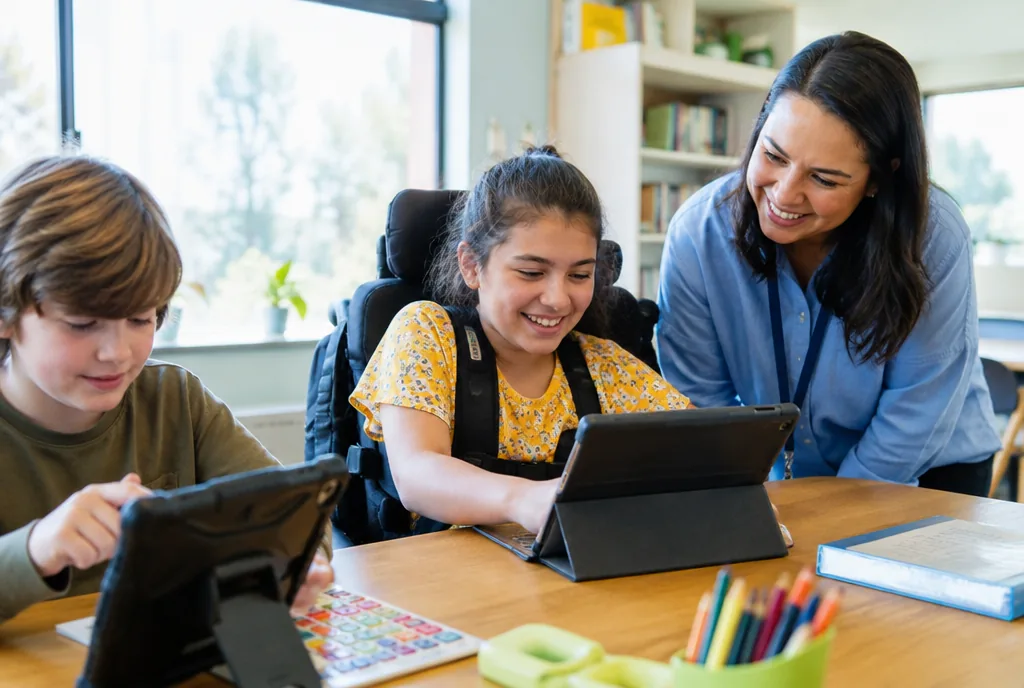
There are different types of children with special needs. RTI This approach focuses on identifying a child's core needs, organizing their memory, strengthening attention, and improving the brain's ability to pull information from memory. It is particularly useful for children who have low performance yet face continuous pressure to improve or else face academic consequences. It is applied early because diagnosing a learning difficulty for an individual child sooner rather than later is important.
Advertisement
There are several factors that necessitate the use of RTIThese are signs that a child may have a learning difficulty. Common indicators include struggling with basic kindergarten lessons that most children learn easily; learning something and then forgetting it within a few hours; and having low tolerance for frustration, shown by frequent crying and tantrums.Whenever these symptoms are discovered, the RTI The process starts with careful study and regular monitoring of a child's academic progress over time. When monitoring reveals weaknesses, appropriate interventions are put in place to help the child achieve better learning outcomes. RTI simply refers to the process of gathering the relevant learning information by a teacher to enable a kid with difficulty learn.
Evaluation is also part of the RTI process to check how well the program is helping the child. Results from periodic assessments are used to decide the best next steps to support the child's learning.
Finally, RTI is a process that has helped children develop psychologically without the pressure of always feeling insignificant due to perceived low IQ levels.