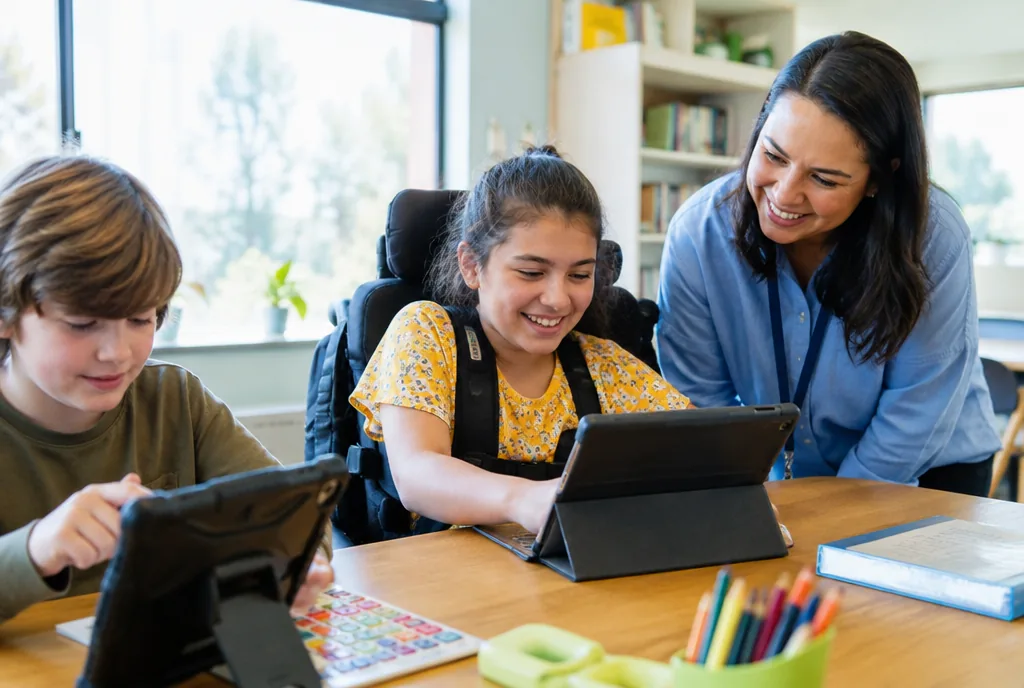
A BIP is a formal, written plan that aims to teach and reward good behavior. Based on specific data collected by the school team, a BIP provides concrete strategies to prevent challenging behaviors and replace them with positive, socially appropriate skills.
What is a Behavior Intervention Plan?
When a student has a history of significant behavioral challenges that interfere with their learning or the learning of their classmates, a standard IEP goal may not be enough to solve the problem. In these cases, the IEP team will need to create a Behavior Intervention Plan. A BIP is an individualized, step-by-step roadmap for the teachers, aides, and school staff on exactly how to support the student, keep the classroom safe, and help the student learn to regulate their own actions over time.
A BIP cannot be written out of thin air or based on guesses. By law, it must be based on the data and results of an FBA. The FBA discovers the "why" behind the behavior—whether the child is trying to escape a task, get peer attention, or fulfill an internal sensory need. The BIP takes that "why" and turns it into a practical "how." It details exactly how the school will alter the environment to prevent the behavior from occurring, how they will teach a new communication skill, and how adults will respond if the behavior happens again.
BIP vs. Traditional Discipline
The most important thing for parents to understand is that a BIP is not a punishment chart. Traditional school discipline often relies heavily on punitive measures: if a student hits someone, they miss recess; if they yell in class, they get after-school detention. For children with disabilities like ADHD, autism, or emotional disturbance, these traditional punishments usually do not work. In fact, they often make the behavior significantly worse, leading to a vicious cycle of suspension, school refusal, and academic failure.
A BIP takes an educational, proactive approach rather than a punitive one. It recognizes that appropriate behavior is a complex skill that must be explicitly taught, practiced, and highly rewarded, exactly like reading or math. Instead of focusing entirely on what the child did wrong, a strong BIP focuses on setting the child up for success and teaching them a much better, safer way to communicate their daily needs.
How a BIP works in school
A high-quality, legally sound Behavior Intervention Plan will typically include three main categories of strategies that staff must follow:
- Proactive Strategies (Antecedent Interventions): These are changes made to the classroom environment before the behavior even has a chance to happen. If the child usually acts out during complex math assignments, proactive strategies might include seating the child near the teacher, giving them a visual checklist, or breaking the assignment into shorter, five-minute chunks to reduce anxiety.
- Teaching Replacement Behaviors: This is the single most crucial part of the BIP. The school must teach the child what to do instead of the negative behavior. If a student flips their desk to escape work, the replacement behavior might be teaching them to hand the teacher a "break card" to get a sanctioned, five-minute rest. The break card fulfills the exact same function (escape) but in a safe, appropriate way.
- Consequence Strategies: This section explains how the staff will react when the problem behavior does inevitably occur, ensuring that the student does not get what they want through negative behavior. It also details the specific rewards, praise, and positive reinforcement the student will receive for successfully using their new replacement skills.
What makes a BIP effective?
Consistency is the ultimate secret to a successful BIP. For the plan to work, every single adult who interacts with the child—the general education teacher, the special education teacher, the gym teacher, and the cafeteria monitors—must follow the written plan exactly as it is written. If one teacher lets the student escape work by yelling while another teacher does not, the plan will fail because the student receives mixed messages.
Furthermore, an effective BIP focuses heavily on positive reinforcement. Behavior experts generally agree that a strong BIP should include significantly more rewards, positive attention, and praise for good behavior than consequences for bad behavior. The primary goal is to make using the new replacement behavior much more rewarding, effective, and easier to achieve than relying on the old negative behavior.
What parents can do
When the school presents a draft of the BIP, read it carefully and critically. Ask yourself: Does this plan focus on teaching my child a new skill, or does it just feel like a list of harsh punishments? Make sure the proposed replacement behaviors are realistic for your child's current skill level. If your child is non-speaking or highly anxious, a replacement behavior that requires them to verbally say "I need a break" is destined to fail; they may need an augmentative communication device or a simple visual card instead.
Parents should also ask the team for regular data updates. A BIP should not be written once and forgotten in a folder. The school should be tracking how often the problem behavior occurs and how often the replacement behavior is successfully used. If the data shows the behavior is not improving after a few weeks, the team needs to meet again to tweak the plan. Finally, try to implement the exact same proactive strategies and replacement behaviors at home so your child receives a consistent message across all environments.
Key points for parents
- A BIP is a proactive, educational plan designed to teach positive behavior, not a list of punishments and consequences.
- It must be directly based on data collected during a Functional Behavior Assessment (FBA).
- A crucial component of any BIP is teaching a "replacement behavior"—a safe, appropriate way for the child to get their needs met.
- For a BIP to be truly effective, every teacher and staff member must follow it consistently throughout the day.
- Parents should request regular data updates to ensure the plan is actually working and ask for revisions if it is not.