PBIS stands for Positive Behavioral Interventions and Supports. It is a proactive, school-wide framework designed to teach, encourage, and highly reward positive behaviors in all students, rather than simply reacting to and punishing bad behavior.
What is Positive Behavioral Interventions and Supports?
For generations, the standard approach to school discipline was entirely punitive. If a student broke a rule, they were punished with detention, loss of recess, or suspension. The problem with this traditional model is that it assumes students already know the right way to behave but are simply choosing not to. For many children—especially those with ADHD, trauma, or Autism Spectrum Disorder—this is completely false. They do not have the inherent skills to regulate their emotions or navigate complex social rules.
PBIS completely flips the traditional discipline script. It treats behavior exactly like academics. If a child cannot read, a school teaches them. If a child cannot do math, a school teaches them. PBIS dictates that if a child does not know how to behave, the school must actively teach them the expected behavior, allow them to practice it, and reward them when they get it right.
How PBIS works in a school
PBIS is not a specific curriculum you can buy in a box; it is a cultural shift within the school building. Schools that adopt PBIS typically start by creating a "Behavior Matrix." The staff agrees on a few core values, such as "Be Respectful, Be Responsible, Be Safe."
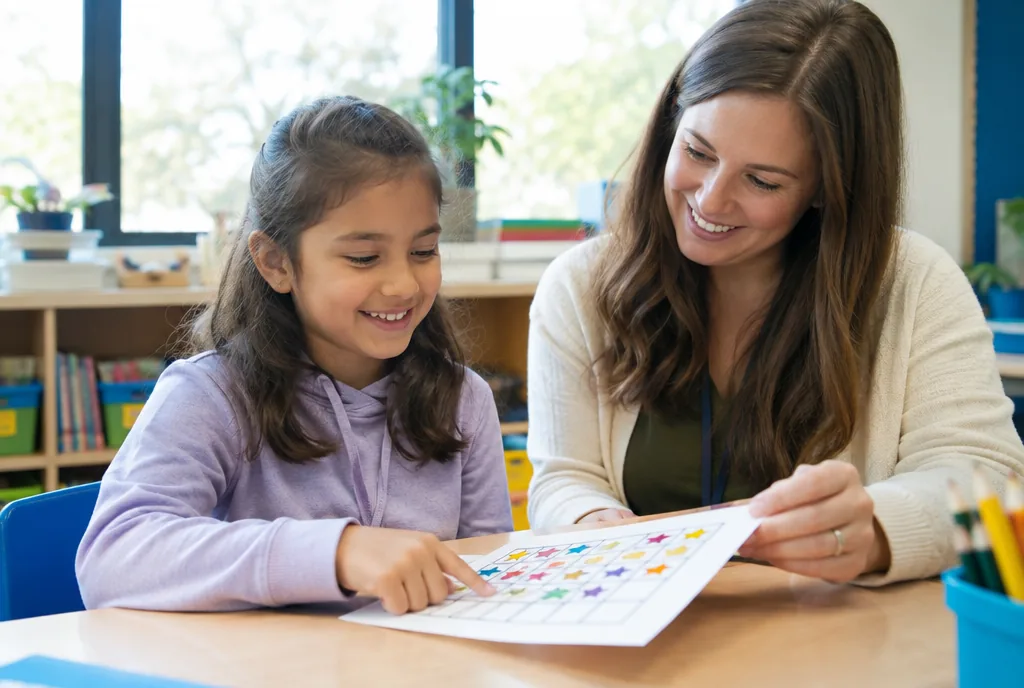
The school then explicitly teaches what those values look like in every area of the building. For example, during the first week of school, teachers will physically take students to the cafeteria to practice what "being safe" looks like while holding a lunch tray. They take them to the hallway to practice what "being respectful" sounds like during transitions. Once the expectations are clearly taught, teachers heavily focus on acknowledging and rewarding students who follow the rules, often using token economies (like giving out "Tiger Tickets" that can be redeemed for small prizes or privileges).
The Three Tiers of PBIS
Like MTSS, PBIS operates on a three-tiered pyramid structure to ensure every student gets the level of behavioral support they need.
- Tier 1 (Universal): This level encompasses the entire school. All students are taught the core behavioral expectations, and all staff members use consistent language and reward systems. When Tier 1 is implemented correctly, about 80% of students will meet behavioral expectations without further intervention.
- Tier 2 (Targeted): For the roughly 15% of students who still struggle with behavior despite Tier 1 supports, the school provides targeted, small-group interventions. This might involve a "Check-In/Check-Out" system where the student meets with a mentor teacher every morning to set a daily goal, or a small social skills group run by the school counselor.
- Tier 3 (Intensive): For the 1–5% of students who exhibit severe, chronic behavioral challenges that disrupt learning, Tier 3 provides highly individualized, intensive support. This usually involves conducting a FBA and developing a customized BIP for the specific student.
How PBIS helps students in Special Education
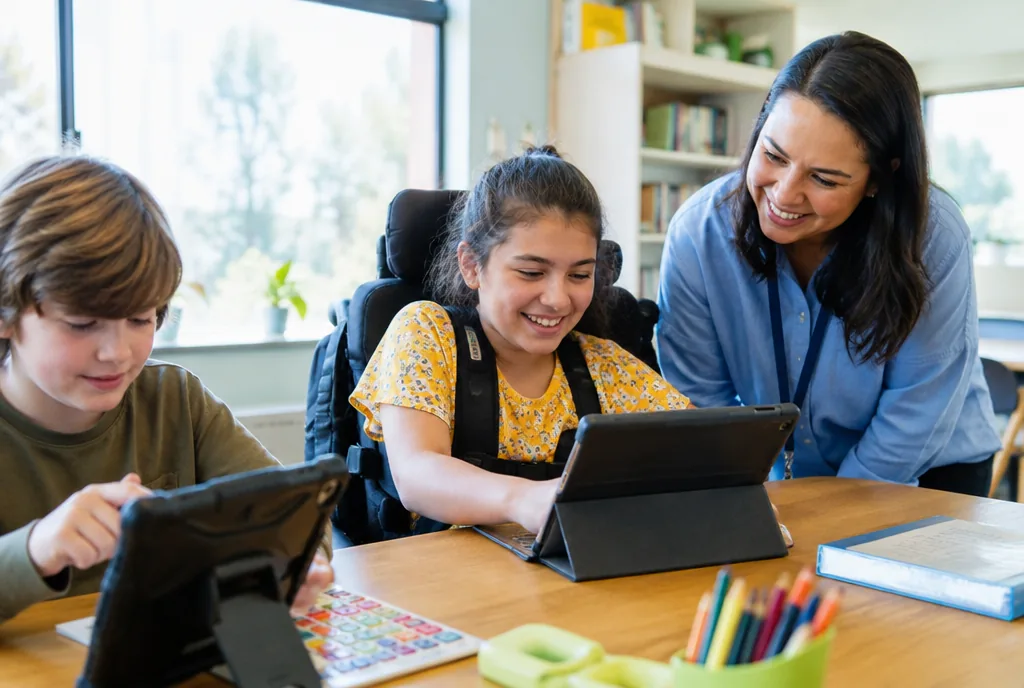
While PBIS is a general education initiative implemented school-wide, it drastically improves the environment for students with disabilities. Traditional punitive discipline disproportionately impacts students with IEPs, leading to high suspension rates. PBIS reduces the need for harsh punishments by prioritizing environmental changes and positive reinforcement.
When a student in special education exhibits challenging behavior, the PBIS framework ensures the school's first response is educational rather than punitive. The focus remains on figuring out the function of the behavior and teaching a safe replacement skill, which perfectly aligns with federal special education laws.
What parents can do
If your child's school uses PBIS, you can leverage it at home. Ask the teacher for a copy of the school's "Behavior Matrix" and try to use the exact same language in your house. If the school emphasizes "Being Responsible," point out when your child is being responsible at home to create a seamless connection between the two environments.
If your child has an IEP and frequently gets in trouble, ask the IEP team how the school's PBIS framework is being utilized for your child. If the school relies heavily on punishments like taking away recess or calling you to pick the child up early, remind the team that under PBIS principles, the child should be receiving Tier 2 or Tier 3 interventions to teach the missing behavioral skills.
Key points for parents
- PBIS is a school-wide system focused on explicitly teaching and rewarding positive behavior, rather than just punishing bad behavior.
- It treats behavioral skills exactly like academic skills; if a child does not know how to behave, they must be taught.
- PBIS uses a three-tier system: whole-school rules, targeted small-group support, and intensive individual interventions.
- A core component of PBIS is heavy positive reinforcement and acknowledging students when they do the right thing.
- Parents can adopt the school's PBIS language and expectations at home to create consistency for their child.