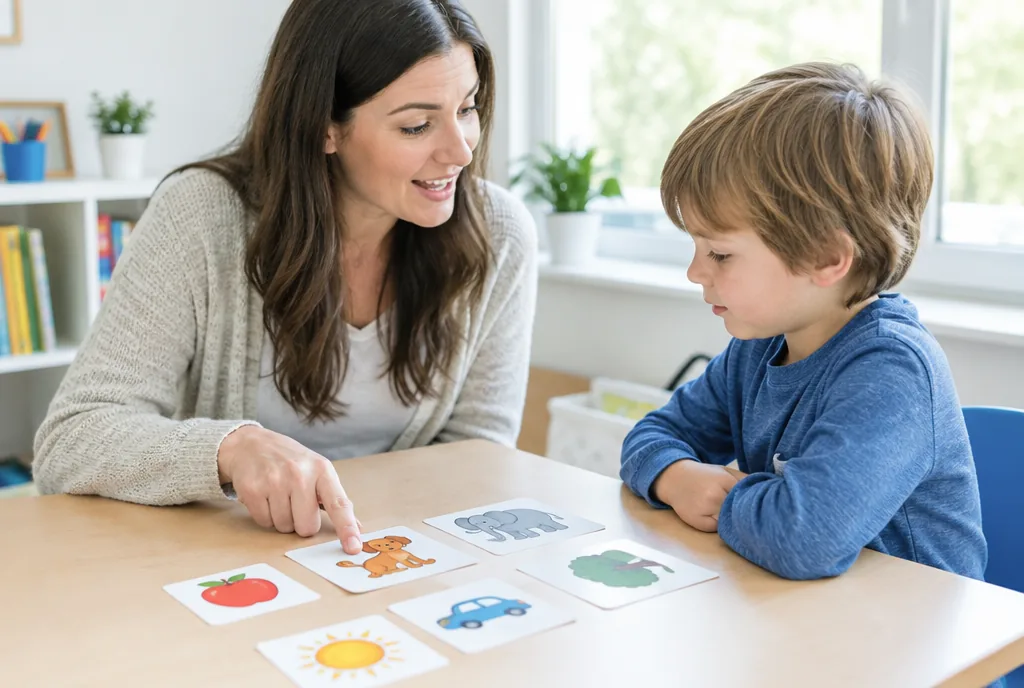
Brain breaks are short, planned pauses in the school day, usually 1 to 5 minutes long, that give students a chance to move, stretch, breathe or calm down before they return to learning. A brain break is not free time and not a reward. It is a quick reset that helps kids pay attention, manage their energy and stay regulated. In special education, scheduled brain breaks are a common accommodation for students with ADHD, autism, sensory needs and other disabilities.
What is a brain break?
A brain break is a planned mental break from focused work. The teacher (or the student) stops the lesson for a moment and switches to a different kind of activity: a physical activity like jumping jacks, a calming activity like deep breathing, or a short game. Then the class goes back to the task. Because the break is short and has a clear start and end, it does not eat up instruction time the way an unplanned disruption does.
Brain breaks can happen for the whole class at the same time, or for one student who needs one. For a child with an IEP or a 504 plan, the break is often written into the plan so every teacher and staff member provides it the same way.
Why brain breaks help kids learn
Sitting still and focusing is hard work, especially for young children and for students whose disabilities affect attention, self-regulation or sensory processing. Teachers and researchers have long observed that attention drops when students sit for long stretches without a change. A short break helps in several ways:
- Attention and focus. Attention spans are limited, and a quick change of activity can help students refocus and re-energize.
- Self-regulation. Movement can release pent-up energy, and calming breaks can lower stress. Both help students get back to a "ready to learn" state.
- Working memory. A pause gives the brain time to take in new information before more is added. This matters for students with weak working memory.
- Behavior. A planned break can prevent frustration from building up into off-task behavior or a meltdown.
- Classroom management and community. Whole-class brain breaks are fun, can reduce stress, and they give every student the same chance to move, so no one is singled out.
Brain breaks are not a cure for any disability, and they work best as part of a larger plan. But they are simple, free and easy to use in any classroom or at home during homework time.
Types of brain breaks
Movement breaks
Movement breaks (also called active brain breaks) get kids out of their seats and moving. They are useful when students seem restless, sluggish or fidgety. Movement breaks often include exercises, dancing, stretching or simple games that raise the heart rate for a minute or two.
Calming and sensory breaks
Calming breaks help students who are overexcited, anxious or overwhelmed. They may include quiet time in a calm corner, heavy work (like carrying books or pushing against a wall), or using a sensory tool. An occupational therapist can suggest sensory breaks that match a child's specific needs.
Mindful brain breaks
Mindful brain breaks teach kids to notice their body and breath, sometimes with a chance to close their eyes. Short breathing exercises, body scans or listening activities help students calm their minds and practice skills they can use on their own later.
Thinking and game breaks
Some brain breaks are quick games, riddles or drawing activities that give the brain a different kind of challenge.
20 brain break ideas for kids
These brain break ideas work in a classroom, a resource room or at home. Most need no materials and take 1 to 5 minutes.
- Jumping jacks: Do 10 to 20 jumping jacks together, counting out loud.
- Simon Says: A classic game that combines movement with listening.
- Freeze dance: Play music; everyone dances and freezes when the music stops.
- Wall push-ups: Push against the wall 10 times for calming heavy work.
- Yoga poses: Tree, mountain or cat pose, held for a few slow breaths.
- Cross-body taps: Touch your right hand to your left knee, then switch.
- Animal walks: Walk like a bear, hop like a frog or waddle like a penguin.
- Balance challenge: Stand on one foot for 10 seconds, then switch.
- Classroom job walk: Take a note to the office or carry books to the library.
- Chair push-ups: Press hands on the seat and lift the body slightly off the chair.
- Balloon breathing: Breathe in slowly to "fill a balloon" in your belly, then let it out.
- Square breathing: Breathe in for 4, hold for 4, breathe out for 4, hold for 4.
- 5-4-3-2-1 senses: Name 5 things you see, 4 you hear, 3 you can touch, 2 you smell, 1 you taste.
- Squeeze and release: Tighten your fists or shoulders for 5 seconds, then relax.
- Calm corner time: A few minutes in a quiet spot with a timer.
- Fidget break: Use a stress ball, putty or fidget tool for a set time.
- Doodle break: Draw freely for two minutes, then put the paper away.
- Would you rather: Ask a silly question and have kids move to one side of the room to answer.
- Clap patterns: A call-and-response clap that kids copy, getting faster and sillier.
- Dance break: A short dance break or a get-up-and-move video made for kids.
Brain breaks as an IEP or 504 accommodation
For some students, breaks are not just a nice classroom routine but something they need to access their education. In that case, the IEP team or 504 team can list breaks as an accommodation. Common wording includes "scheduled movement breaks every 20 minutes," "access to a break area when requested," or "use of a break card." Accommodations change how a student learns, not what they learn. Learn more in accommodations vs. modifications.
Good break accommodations are specific. They say how often the break happens, how long it lasts, where it happens, whether the student can ask for it, and who supervises. If breaks are part of a behavior intervention plan, the plan should explain how breaks help replace a problem behavior. A functional behavior assessment can show when and why a student needs them.
Parents can ask the team to add breaks if their child struggles to focus, gets overwhelmed or has trouble with long work periods. Teaching a child to ask for a break is also a great self-advocacy skill.
How to incorporate brain breaks in the classroom
Brain breaks work best as a normal part of the school day, not only when things fall apart. Plan them between lessons or halfway through a long task, and keep a list of favorite break activities. Use the same signal every time to start the break and to transition back to work, such as a chime or a countdown.
Tips for students with ADHD and autism
For students with ADHD: Movement breaks often work well because many kids with ADHD need to move to stay alert. Keep breaks short and structured, and use a timer so the transition back to work is clear. Pairing breaks with chunked assignments (work 10 minutes, break 2 minutes) can help.
For autistic students: Many students with autism benefit from predictable breaks shown on a visual schedule. Calming and sensory breaks may work better than loud group games. Give a warning before the break ends, and let the student practice the break routine when they are calm.
For all students:
- Teach the break routine first, including how to start and end it.
- Use a visual timer or a clear signal to return to work.
- Offer choices so the student has some control.
- Watch what works. Some kids need to move; others need quiet.
- Do not take away needed breaks as a punishment.
Whole-class brain breaks also fit well within PBIS and Universal Design for Learning, because they support many learners at once.
Frequently asked questions about brain breaks
How long should a brain break be?
Most brain breaks last 1 to 5 minutes. The goal is a quick reset, not a long recess. Younger children and students with attention needs may need shorter work periods and more frequent breaks.
How often should kids have brain breaks?
There is no single rule. A common guideline is a break after about 10 to 15 minutes of focused work for younger grade-schoolers and after 20 to 30 minutes for older students, or between activities. For a student with an IEP or 504 plan, the plan should state how often breaks are provided.
What are good brain breaks for middle school students?
Older students often prefer breaks that feel less childish: quick stretches, a walk to get water, a breathing exercise, a quiz game or a few minutes of quiet drawing. Giving them a choice helps.
Can brain breaks be used at home?
Yes. Brain breaks are useful during homework. Try a short movement or breathing break between subjects or after every few problems.