Social cues are the verbal and nonverbal signals that help you understand what another person may feel, expect, or mean during an interaction. A raised eyebrow, a pause before an answer, a change in tone of voice, or a step backward can all carry information. Because most people register many of these signals automatically, children who need to learn them explicitly can be misunderstood. The good news is that social cues can be broken into small, observable skills and practiced in real situations.
Social Cues Meaning: The Signals Behind Everyday Communication
The social cues definition is straightforward: they are signals that help people manage interactions and infer thoughts and feelings. Some are spoken, such as a change in volume or pace. Others are nonverbal, including facial expressions, posture, gestures, and the distance between two people. In everyday communication, people usually combine these signals without stopping to name them.
That automatic process can hide how much information is moving through a short exchange. A child may hear “maybe,” for example, but the same word can communicate liking, neutrality, or dislike depending on pitch, pace, volume, and rhythm. Reading social cues means noticing the words and the delivery, then checking them against the setting and the relationship.
Facial expressions are often fleeting. Common, everyday macro expressions last from about half a second to four seconds. Micro expressions can last half a second or less, and many people miss them in conversation. This is a useful reminder for adults: a child does not need to catch every fast signal to communicate well. The aim is to notice the cues that matter in the moment and to ask when the meaning is unclear.
The Four Main Types of Social Cues to Notice First
Teaching starts more easily when you sort social cues into four main types. Focus on one type at a time, then help a child combine them. In real life, facial, vocal, and bodily information arrives together, and context changes the likely meaning.
| Type of cue | What to look or listen for | What it may communicate |
|---|---|---|
| Facial expressions | A smile, frown, scowl, or raised eyebrows | Happiness, sadness, anger, surprise, or an invitation to speak |
| Body language | Posture, leaning, gestures, and hand movement | Interest, discomfort, focus, anxiety, or boredom |
| Tone of voice | Pitch, pace, volume, and rhythm | Emotion or attitude behind the words |
| Personal space | How close a person stands and physical boundaries | Comfort, familiarity, or a need for more room |
Facial expressions can give a quick emotional starting point
Paul Ekman identified seven facial expressions of emotion that appeared across language and culture: anger, fear, sadness, disgust, contempt, surprise, and happiness. A raised eyebrow can suggest surprise or an invitation; a scowl can signal anger; a frown can signal sadness. Still, a face is a starting point, not a complete answer. Look for what the person says and does next.
Personal space has practical boundaries
Edward T. Hall described four Western proxemic zones: intimate space from 0 to 18 inches, personal space from 18 inches to 4 feet, social space from 4 to 12 feet, and public space beyond 12 feet. A child does not need to memorize the labels to learn the skill. Instead, practice noticing when a classmate steps back and responding by giving more room. Cultural expectations also affect space, touch, and gesture, so teach observation and consent rather than one rigid rule.
Social Cues Examples: Read the Whole Situation, Not One Gesture
A yawn may signal boredom or tiredness. A glance at the clock may signal impatience. Leaning in can signal interest, while fidgety hands can suggest anxiety or boredom. Looking away can mean discomfort, disinterest, or simply that someone is thinking. These examples are useful because they show why one signal cannot prove a person’s intent.
Crossed arms are a good test case. They can accompany feeling threatened or dismissive, but they can also be self-soothing. When crossed arms appear with a forward lean and engaged eye contact, they may instead signal focused attention. Encourage children to look for a cluster: face, gaze, posture, voice, words, and the situation.
A simple way to check a guess
- Notice a cue without immediately labeling it.
- Look for at least one more cue from the face, body, voice, or setting.
- Consider what happened just before the interaction.
- Ask a calm, specific question if the meaning still matters: “Do you want more space?” or “Are you ready to keep going?”
For example, if a student looks away during group work, do not assume a lack of interest. Notice whether the student is also quiet, tense, tired, or thinking through the task. A private check-in and a clear option can prevent a mistaken interpretation.
What It Can Mean to Struggle With Social Cues
Difficulty reading social cues can make conversations confusing or tiring. It is associated with autism spectrum disorder, ADHD, social anxiety disorder, and some acquired brain injuries. That association is not a diagnosis, and it does not tell you why a particular child acted a certain way. Start with the individual behavior and the context rather than assigning a motive.
Social anxiety can make ambiguous cues feel threatening. A yawn or a smile, for instance, may be interpreted more negatively than intended. Inattention and hyperactivity or impulsivity symptoms can also limit social awareness, especially when a child acts before noticing how others are responding.
Useful support begins with a key distinction: is this a skill-acquisition deficit, meaning the child does not yet know the skill, or a performance deficit, meaning the child knows it but does not use it reliably in the situation? Treating a new skill as a behavior problem can leave the child without the instruction they actually need.
How to Teach a Child to Read Social Cues Step by Step
Choose one small social task rather than trying to teach “social skills” all at once. Initiating a conversation, taking a turn, asking a question, and ending a conversation are separate skills. The direct-instruction sequence below makes the target visible to parents, teachers, and the child.
- Instruct: Name the skill in concrete language, such as “wait for a pause before you speak.”
- Model: Demonstrate the skill so the child can see and hear the relevant cue.
- Practice: Coach the child through the same short situation.
- Give feedback: Offer corrective and reinforcing feedback tied to what the child did.
- Reinforce: Acknowledge use of the skill and keep practicing it across appropriate settings.
Teach one playground moment, not an abstract rule
Suppose a child often interrupts a group at recess. First, decide whether the child needs to learn the sequence or needs help using a known sequence when excited. Then model a specific routine: stand near the group, notice a pause, and use a practiced joining phrase. During practice, point out the cue that creates the opening: another child has finished speaking and the group is quiet for a moment. Feedback can be equally specific: “You waited for the pause before you spoke.”
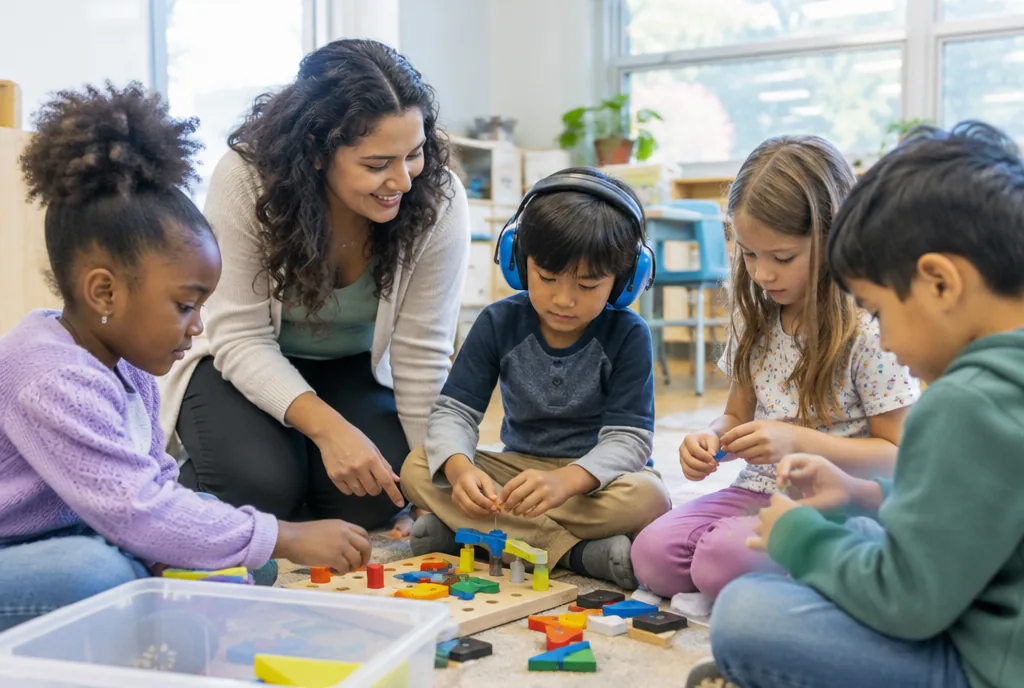
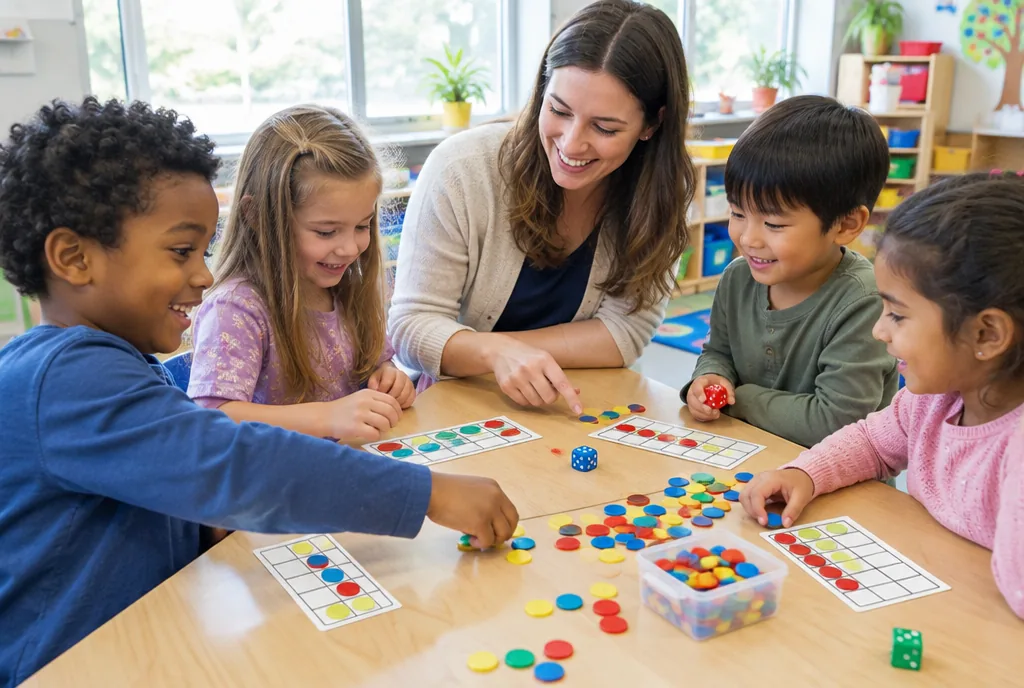
Social Stories can support this kind of work. A brief story describes a particular social situation, the cues within it, and an appropriate response for one student’s needs. Video modeling is another evidence-based option: it lets a child watch an interaction and revisit the same cues. Visual teaching can use static photos, visual mnemonics, and video, while reducing ambient noise and competing signals. In peer-mediated instruction, peers help create opportunities to practice a skill in interaction rather than only with adults.
Progress does not follow one timetable. Some children begin to use a newly taught social skill after two or three sessions of explicit instruction; others need more than three months of consistent practice. Monitor the actual target—such as initiating or turn-taking—so you can adjust the support instead of deciding too quickly that a child is unwilling.
Support Autism and ADHD Without Making Assumptions
Autistic people may disproportionately miss sarcasm and irony, unspoken turn-taking cues, complex facial expressions, subtle changes in body language, and changes in tone of voice. Prosody can be especially difficult when literal words conflict with emotional nuance. These are possible patterns, not a checklist for every autistic person. Make an expectation explicit when it matters instead of relying on an unspoken signal.
For people with ADHD, social difficulties often relate to impulsivity and inattention: interrupting, not waiting for a turn, not listening, or missing contextual cues. Research also points to differences in recognizing social faux pas and encoding nonverbal cues. At the same time, ADHD-related difficulty is not simply a primary inability to recognize emotion. A child may capture a cue quickly but respond with an intensity, rhythm, or emotional expression that does not match the moment.
In both cases, clear teaching is more useful than blame. State what cue you observed, explain the likely social expectation, offer an observable next step, and leave room for clarification. A child who looks at a desk rather than a face may still be attending; the goal is mutual communication, not forcing one style of eye contact.
Common Mistakes Can Turn a Cue Into the Wrong Message
- Making one gesture the whole story: Crossed arms, a yawn, and looking away each have several possible meanings. Check cue clusters and context.
- Ignoring culture: Touch and hand gestures vary across cultures. Treat an unfamiliar pattern as information to understand, not evidence of poor manners.
- Using the 7-38-55 rule for everything: Mehrabian’s figures apply to inconsistent communication about feelings or attitudes, not to all communication.
- Equating uncertainty with defiance: A child may need the skill named and modeled before they can use it.
- Teaching only recognition: Children also need a response they can practice, such as asking a question, waiting for a turn, or giving space.
The most reliable habit is modesty about your first guess. Social cues offer clues, not mind-reading powers. When the stakes are high or the signals conflict, clarify with words.
Frequently Asked Questions
What are examples of social cues?
Examples include a smile, frown, scowl, raised eyebrows, leaning in, fidgety hands, a change in tone of voice, a glance at the clock, and stepping back for more personal space. Their meaning depends on the cluster of cues and the context.
What does it mean to lack social cues?
People usually mean that someone has difficulty noticing, interpreting, or using the signals that guide interaction. The difficulty may affect timing, turn-taking, or understanding another person’s likely feelings, but it does not explain a person’s intent by itself.
What social cues do autistic people miss?
Some autistic people may miss sarcasm, irony, subtle shifts in tone or body language, complex facial expressions, and unspoken turn-taking cues. Needs vary by person, so direct language and individualized teaching are more helpful than assumptions.
How do you read social cues?
Combine the face, body language, tone of voice, words, and situation. Look for more than one signal, consider cultural context, and ask a clear question when you are unsure.
Do people with ADHD struggle with social cues?
They can. Impulsivity and inattention may lead to interrupting, missing context, or not waiting for a turn. Support can focus on the specific skill and situation rather than assuming the person cannot recognize emotion.